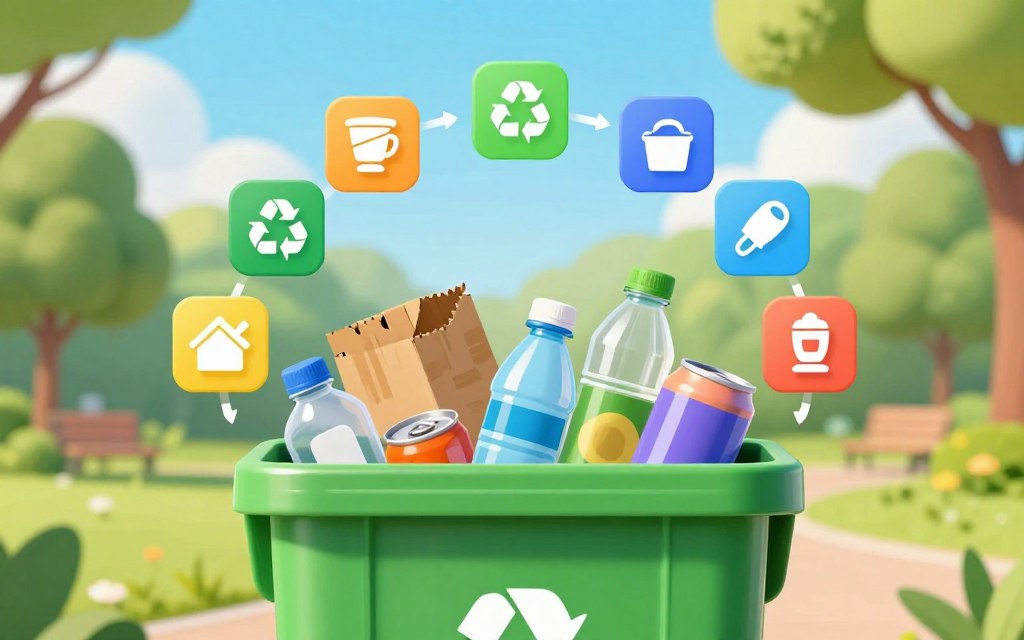
Understanding green bin recycling can be confusing because green bins have different uses across the United States. Many communities use them for organic waste, including food scraps and yard trimmings. Other areas use them for recyclable materials, so check your local city, county, or waste hauler’s rules.
This guide explains what rubbish goes in the green bin and covers key recycling rules. Accepted items may include paper, cardboard, plastics, glass, and metals. It also covers prohibited materials and preparation steps for effective household recycling; incorrect sorting can reduce recycling’s environmental benefits.
Before using your bin, check its color and purpose. Local municipalities may have unique recycling rules, so check their guidance. For more details, see the recycling checklist provided by your local authorities.
Key Takeaways
- Green bins may be for organic waste or recyclables, depending on your location.
- Accepted materials vary by municipality, so always check local guidelines.
- Proper sorting is essential for effective recycling and environmental benefits.
- Common recyclable items include clean bottles, cans, and cardboard.
- Prohibited items can contaminate recyclables and lead to landfill disposal.
What Rubbish Goes in the Green Bin? Understanding the Basics
Knowing the green bin meaning helps you recycle items correctly. Green bins support curbside recycling by keeping useful materials out of landfills. However, colors can mean different things in U.S. communities, so check local rules.
The Purpose of Green Bin Recycling Programs
Green bin programs collect materials for reuse or repurposing, which saves resources and reduces environmental harm. They separate valuable recyclables from general waste. Paper, cardboard, and certain plastics can then receive proper processing.
A local waste management official says:
“Green bins are essential for keeping recyclable materials out of landfills, promoting a sustainable future.”
How Green Bins Differ from Other Waste Containers
Green bins differ from trash and compost bins. Trash bins hold non-recyclable waste, while compost bins collect organic items, such as food scraps and yard waste. This recycling bin guide supports better waste sorting.
Use this quick comparison of the various waste containers:
| Container Type | Purpose | Examples of Contents |
|---|---|---|
| Green Bin | Recycling | Paper, cardboard, certain plastics |
| Trash Bin | General waste | Non-recyclable items, food waste |
| Compost Bin | Organic waste | Food scraps, yard waste |
Before disposal, check your local recycling guidelines. This step helps you follow correct practices and support a more sustainable community.
Common Recyclable Materials Accepted in Green Bins
Knowing which recyclable materials green bins accept supports effective waste management. Programs may use different rules, but many common items help protect the environment. Learning the rules makes recycling easier and helps you do your part.
Categories of Acceptable Recyclables
Green bins often accept several categories of acceptable recyclables. These usually include:
- Clean Paper: This includes newspapers, magazines, and office paper.
- Flattened Cardboard: Shipping boxes and cereal boxes are great examples.
- Aluminum Cans: Beverage cans should be rinsed and emptied.
- Steel Cans: Food cans, like those for soup or vegetables, are also recyclable.
- Glass Containers: Clear, green, and brown glass bottles and jars can be included.
- Selected Plastic Containers: Look for containers labeled with recycling codes #1 and #2.
An item labeled recyclable may not belong in your curbside bin. Local facilities may lack the capacity to process some materials, so check local guidelines.
Quick Reference for Daily Household Items
Use this household recycling list for a quick guide to everyday recycling items:
- Cereal boxes
- Shipping boxes
- Newspapers
- Beverage cans
- Food jars
- Detergent bottles
- Milk jugs
Empty all containers and make them reasonably clean before placing them in the green bin. This keeps recyclable materials higher quality and reduces contamination. Check whether your local program accepts glass and specific plastic types.
Paper and Cardboard Recycling Guidelines
Paper recycling and cardboard recycling help reduce waste and save natural resources. Many homes produce these materials, so people need to know how to prepare them. Learning what belongs in the green bin supports better recycling.
Types of Paper Products You Can Recycle
Several recyclable paper products go in green bins across the United States. These include:
- Newspapers
- Office paper
- Magazines
- Mail (without plastic windows)
- Paper bags
- Clean paperboard boxes
- Corrugated shipping cartons
Some materials may be rejected because of contamination or their makeup. Keep these items out of your recycling bin:
- Heavily soiled paper
- Waxed paper
- Laminated paper
- Thermal receipts
- Paper contaminated with food or chemicals
Preparing Paper and Cardboard for the Green Bin
These steps explain how to recycle cardboard and prepare paper for the green bin:
- Remove any packing materials from cardboard boxes.
- Flatten boxes to save space in the recycling bin.
- Cut oversized pieces if necessary.
- Keep paper dry and loose unless your municipality requests bagging.
Plastic bags can jam sorting equipment. Avoid them unless your local program gives different instructions.
| Accepted Paper Products | Preparation Steps | Items to Avoid |
|---|---|---|
| Newspapers | Keep dry and loose | Heavily soiled paper |
| Office paper | Remove staples if possible | Waxed paper |
| Magazines | Keep intact | Laminated paper |
| Cardboard boxes | Flatten before disposal | Thermal receipts |
Plastics: What Types Are Accepted
Knowing which plastics recycling programs accept helps people manage waste well. Across the U.S., recycling programs differ widely, so check your local rules. The plastic recycling codes can show which items your local program accepts.
Each plastic item has a resin identification code, usually inside a triangle. The code ranges from 1 to 7 and identifies the plastic type. However, a code does not guarantee curbside acceptance.
Understanding Plastic Resin Codes
The resin identification codes are as follows:
- 1 (PET or PETE): Commonly used for beverage bottles and food containers.
- 2 (HDPE): Often found in milk jugs and detergent bottles.
- 3 (PVC): Used in plumbing pipes and some food wraps, but often not accepted.
- 4 (LDPE): Common in grocery bags and some food wraps, typically not accepted curbside.
- 5 (PP): Found in yogurt containers and straws, acceptance varies.
- 6 (PS): Used in disposable coffee cups and foam takeout containers, usually not accepted.
- 7 (Other): Includes various plastics, acceptance varies widely.
Learn these codes before placing items in your green bin. Local rules decide what your program accepts.
Plastics Commonly Accepted in U.S. Programs
In general, these recyclable plastics are commonly accepted:
- Beverage bottles (PET and HDPE)
- Milk jugs (HDPE)
- Detergent bottles (HDPE)
- Shampoo bottles (HDPE)
- Food containers (check local guidelines)
Many items are rejected or require special drop-off programs. These include:
- Plastic bags and films
- Foam packaging
- Disposable utensils and straws
- Black plastic containers
- Small loose pieces of plastic
When recycling plastic containers, check whether your program wants caps left on or removed.
For more information about U.S. recycling programs, visit this resource.
Glass Recycling Rules
Glass recycling supports sustainable waste management. Many U.S. programs accept recyclable glass bottles and glass jars, especially for beverages, sauces, and condiments. Learn which glass items qualify and the steps for preparing glass for recycling.
Types of Glass Containers Accepted
Most U.S. recycling programs accept clear, green, and brown glass bottles and jars. These household containers often hold:
- Beverages
- Food products
- Condiments
Many glass products cannot go in standard recycling bins. These include mirrors, window glass, drinking glasses, ceramics, ovenware, light bulbs, and automotive glass. Their chemical makeup and melting points differ from container glass, so facilities cannot process them.
How to Prepare Glass for Recycling
Proper preparation helps glass recycling work well. Follow these steps for preparing glass for recycling:
- Empty Containers: Ensure all glass bottles and jars are completely empty.
- Rinse Thoroughly: Rinse away any remaining residue to prevent contamination.
- Remove Non-Glass Components: Take off any caps, labels, or other non-glass parts as required by local guidelines.
Do not place broken glass in recycling bins unless your municipality explicitly allows it. Sharp shards can injure workers and damage sorting equipment. Always check local recycling rules for specific instructions.
“Recycling glass not only conserves raw materials but also saves energy, making it a win-win for the environment.”
Metals: Aluminum, Steel, and Tin Cans
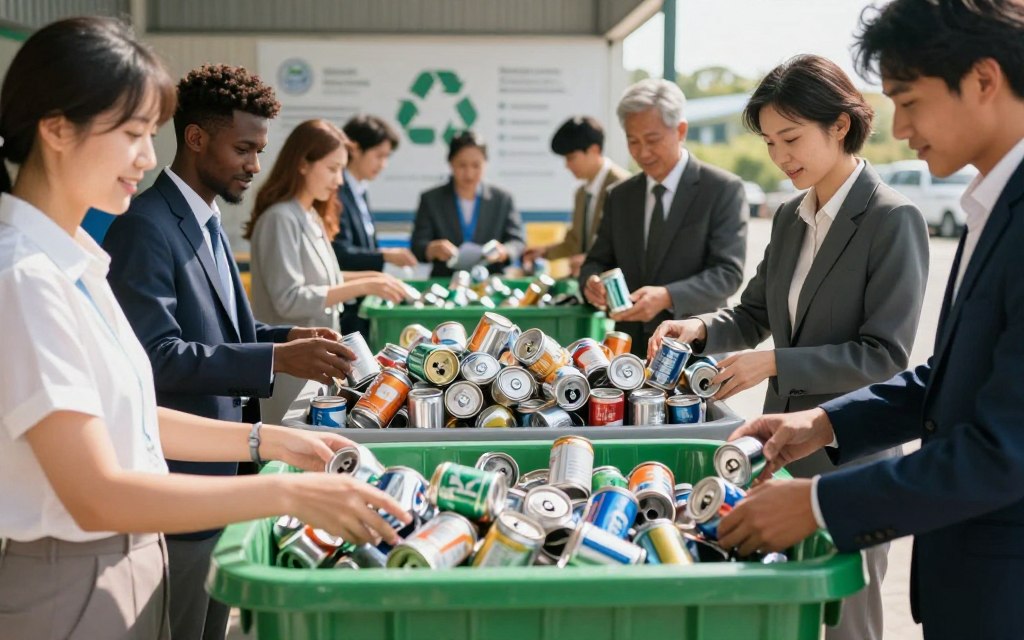
Recycling metal containers starts with knowing which items belong in green bins. Many curbside programs accept metal containers, helping households recycle more. Common items include aluminum beverage cans, steel food cans, and tin-plated cans.
Aluminum cans are light and highly recyclable. Aluminum can recycling often focuses on beverage cans because facilities process them easily. Steel cans usually hold food and are durable, so steel can recycling is common.
When people say “tin cans,” they usually mean steel containers with a thin tin coating.
Common Metal Items for the Green Bin
These common metal items can go in your green bin:
- Aluminum beverage cans
- Steel food cans
- Tin-plated cans
- Metal lids from jars
Preparing Metal Containers for Recycling
Use these steps to prepare metal containers for recycling:
- Empty all contents from the cans.
- Lightly rinse the containers to remove any food residue.
- Check local guidelines for specific instructions regarding lids and pull tabs.
Some items may need separate disposal, including scrap metal, propane cylinders, paint cans, batteries, aerosol containers, and sharp metal objects. Do not place loose metal parts in the green bin unless your local program allows them.
Items That Should NEVER Go in the Green Bin
Understanding what not to recycle is vital for maintaining a clean and efficient recycling system. Learn which items not to recycle because they can contaminate the recycling process. Improper disposal can create hazards and hinder recycling efforts.
Many hazardous materials threaten the environment and public health. Never place them in your green bin. They need special handling through hazardous waste disposal programs.
| Hazardous Item | Proper Disposal Method |
|---|---|
| Batteries | Take to a designated battery recycling location. |
| Electronics | Visit an e-waste recycling event or facility. |
| Medical Sharps | Use a sharps disposal container and take to a pharmacy or health facility. |
| Prescription Drugs | Return to a pharmacy or designated drug take-back program. |
| Pesticides and Chemicals | Contact local hazardous waste disposal programs. |
Keep these everyday items out of the green bin. They include non-recyclable plastics and other common materials:
- Plastic bags
- Foam containers
- Clothing and textiles
- Hoses and cords
- Food-soiled packaging
- Liquids
These items can disrupt recycling and cause contaminated recycling. Keep hazardous materials in their original containers when possible. Contact your local solid-waste department for disposal directions.
For more information about items often banned from landfills and other disposal methods, read 10 Items Often Banned from Landfills.
How to Prepare Recyclables Before Disposal
Proper preparation helps recyclables get processed correctly. These recycling preparation tips show how to prepare recyclables before disposal. A few simple steps can help recycling programs work better.
Cleaning and Sorting Best Practices
Before using the green bin, clean recycling containers and sort recycling materials correctly. Empty every container and scrape out food residue. Leftover food can contaminate other recyclables.
Rinse bottles and jars lightly; they do not need to be perfectly spotless.
Next, separate prohibited materials from acceptable recyclables. Flatten cardboard boxes to save space in your bin. Keep recyclables loose unless your local program says otherwise.
Common Preparation Mistakes to Avoid
Watch for common mistakes that can slow recycling. Never place recyclables inside plastic bags because they can jam facility machinery. Empty bottles completely to prevent contamination from leftover liquids.
Avoid nesting containers because sorting machines may not recognize them. Do not recycle receipts or compostable packaging incorrectly. These items often are not accepted in recycling programs.
Be cautious with small objects; loose items can cause problems in machinery-sensitive programs.
Balance cleanliness with water conservation. Clean recyclables, but avoid excessive rinsing that wastes water. These guidelines can make your recycling efforts effective and better for the environment.
Regional Variations in U.S. Recycling Programs
U.S. recycling rules can vary widely from one region to another. Local contracts, sorting technology, and processing capacity shape these regional recycling differences. Knowing the rules supports proper waste management and local compliance.
On the West Coast, recycling standards often focus on containers and organics collection. Many municipalities use strict local recycling guidelines to sort and process materials correctly. Some cities also restrict materials to improve recyclables and reduce contamination.
The East Coast and Midwest show more varied recycling practices. Some communities accept mixed materials, while others limit plastics, glass, and paper grades. These municipal recycling programs may confuse residents, so check local recycling guidelines.
The best way to understand recycling rules is to use official local resources. A waste-hauler website or municipal guide offers accurate, current information about recycling practices in your area.
Common Recycling Mistakes to Avoid
Knowing common recycling mistakes helps people manage waste well. Small errors can harm the environment and make recycling programs work less efficiently.
Wishful Recycling and Its Consequences
Wishful recycling happens when people put items in the bin without checking local rules. An item may seem reusable or green but still lack acceptance in local programs. This choice can create major problems.
Wishful recycling causes recycling contamination. Contaminated materials slow sorting, raise processing costs, and may injure workers. They can damage equipment, lower material value, or send recyclable loads to disposal.
People often make these recycling mistakes with items such as:
- Plastic film
- Greasy pizza boxes
- Disposable coffee cups
- Compostable packaging
- Batteries
- Bagged recyclables
Check your local program’s accepted-items list to avoid these recycling mistakes. When unsure, use a separate drop-off option for questionable items.
Contamination Issues in Recycling Streams
Recycling contamination is a major challenge for recycling systems. It means non-recyclable materials are mixed with recyclables. This problem can come from wishful recycling or confusion about accepted items.
Contaminated streams raise costs and reduce efficiency. Poorly sorted recyclables may reach landfills, despite people’s efforts to recycle correctly. We can improve recycling habits by learning what belongs in the green bin and supporting a more sustainable future.
The Environmental Impact of Proper Recycling
Proper recycling helps protect a healthy environment. It saves valuable resources, reduces landfill waste, and keeps paper, metals, glass, and plastics in use. Recycling also supports sustainable waste management.
When communities recycle well, they gain many benefits. Recycling helps to:
- Reduce landfill waste: By recycling, we can significantly decrease the amount of waste that ends up in landfills, prolonging their lifespan and reducing the need for new landfill sites.
- Conserve raw materials: Recycling recovers materials that can be reused in manufacturing, minimizing the extraction of new resources.
- Support local economies: Community recycling initiatives can create jobs in processing and manufacturing sectors, fostering economic growth.
How Recycling Reduces Landfill Waste
Landfills concern many communities because they cover large areas of land. They can cause environmental problems, including soil and water contamination. Recycling diverts recyclable materials from the waste stream, helping reduce landfill waste and manage waste sustainably.
Long-Term Benefits for Communities
Communities that prioritize recycling gain long-term benefits. These community recycling benefits include:
| Benefit | Description | Impact |
|---|---|---|
| Environmental Health | Reduces pollution and conserves natural resources. | Healthier ecosystems and communities. |
| Economic Growth | Creates jobs in recycling and manufacturing. | Boosts local economies. |
| Community Engagement | Encourages residents to participate in sustainability efforts. | Stronger community bonds and awareness. |
Recycling is a vital part of sustainable waste management. It works best when people sort materials correctly and keep them clean for processing. Understanding the environmental benefits of recycling helps communities build a cleaner, healthier future together.
Conclusion
Understanding green bin recycling rules supports effective waste management. Each community has specific guidelines, so check what your local green bin collects. Correct waste sorting helps recyclables get processed properly.
For responsible recycling, use this simple recycling checklist. Confirm accepted materials, recycle only them, empty and lightly clean containers, and flatten cardboard. Keep prohibited materials out of the green bin, and use approved drop-off sites for hazardous or unusual waste.
Terminology and accepted materials can vary across U.S. communities. Local government or waste hauler instructions should always take precedence over general advice. Careful sorting helps reduce contamination, protect recycling workers and equipment, and increase the environmental benefits of household recycling.