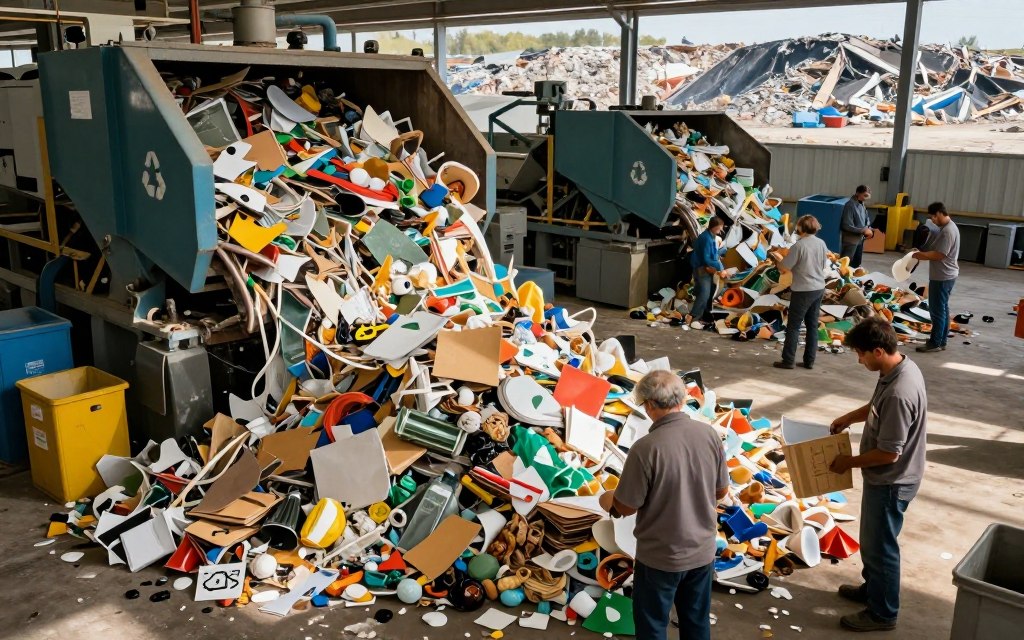
Many people ask, does recycling end up in landfill, or does it truly make a difference? The answer can be yes or no because materials receive different treatment during processing and disposal. Some become new products, while others face rejection because of contamination or local program limits.
What happens to recycling in the United States depends on local rules and market conditions. After curbside collection, workers sort materials at a materials recovery facility. Manufacturers then process usable materials for reuse, but collected material types can cause rejection.
Residents can reduce recycling waste by keeping materials clean and dry. They should avoid items their local programs do not accept, which can also reduce landfill waste. This article explores contamination, rejection rates, and waste management challenges after items enter the recycling bin.
Key Takeaways
- Not all materials are successfully recycled; some end up in waste.
- Contamination is a major reason for recycling rejection.
- Understanding local guidelines can help reduce landfill waste.
- Sorting and processing are critical steps in recycling.
- Emerging solutions are being developed to improve recycling efficiency.
The Recycling Process in the United States: An Overview
Understanding how recycling works in the United States helps people manage waste well. Residents begin the recycling collection process by placing approved materials in designated household bins. Municipal recycling programs then collect these materials, and rules vary widely by region.
Cities or counties often run municipal recycling programs with private haulers or contracted providers and set accepted-material lists. These lists reflect local capabilities and market demands. Some areas use curbside recycling, placing all recyclables in one bin; single-stream recycling boosts convenience but can increase contamination.
How Municipal Recycling Programs Operate
Municipal recycling programs guide the recycling collection process and help residents understand local rules. They set accepted-material guidelines and often provide educational resources. Because rules differ widely, program success depends on community participation and following established guidelines.
The Role of Materials Recovery Facilities (MRFs)
Collected recyclables travel to specialized materials recovery facilities (MRFs), where conveyor belts, screens, and optical sorters use advanced technology. This MRF recycling process identifies materials that meet buyer specifications and removes contaminants. Not every item in a recycling bin gets recycled; only materials passing quality control are processed for reuse.
As recycling expert Jane Doe noted, “Successful recycling depends on cooperation among residents, haulers, MRF operators, manufacturers, and end markets.” This teamwork helps create a sustainable recycling system in the United States.
| Material Type | Common Sources | Recycling Process |
|---|---|---|
| Plastic | Bottles, containers | Sorted, cleaned, melted |
| Paper | Cardboard, newspapers | Shredded, pulped, dried |
| Metals | Cans, foil | Shredded, melted, reformed |
Understanding these steps clarifies how recycling works and why proper participation in municipal recycling programs matters.
Does Recycling End Up in Landfill? The Honest Answer
Many people ask whether recycling makes a difference or ends up in a landfill. Recycling remains an essential part of waste management, but collected materials do not always get recycled. Several factors decide their outcome, and recycling contamination helps explain this process.
Contamination: The Leading Cause of Landfill Disposal
One major challenge for recycling programs is contamination, unwanted materials that disrupt processing. Common contaminants include food residue, liquids, plastic bags, and hazardous materials. These items can damage sorting equipment, lower bale quality, create recycling facility rejects, and pose safety risks to workers.
When contamination occurs, recycling facilities may reject entire batches. An item may be technically recyclable but still fail local program guidelines. Contaminated recycling may face landfill disposal, making proper practices essential.
Statistics on Recycling Rejection Rates
Recycling rejection rates vary by location, collected material type, and market conditions. Recent recycling statistics show rates from 10% to over 30% in some areas. This range can confuse people because national figures may not show local conditions.
Facilities measure rejection rates as the percentage of collected materials deemed unacceptable for recycling. Rejected items may go to a landfill, waste-to-energy facilities, or other disposal pathways. Compare EPA data with local audits to understand recycling performance more clearly.
Common Items That Often End Up in Landfills Despite Recycling Efforts
Many household items still reach landfills, even when people try to recycle. Learning which items cannot be recycled helps prevent contamination and improves waste management.
Plastic Bags and Film
Plastic bags and film often cause problems in recycling systems. Thin materials can wrap around conveyor belts and sorting equipment, creating safety and operating problems. Grocery stores and specialized drop-off programs may accept clean, dry bags; curbside programs often do not. Check local rules for plastic bags recycling.
Pizza Boxes and Food-Contaminated Paper
Pizza boxes can be difficult to recycle. Clean cardboard may be accepted, but grease, cheese, or food waste usually causes rejection. Tear away clean portions, then compost or discard contaminated sections; check local rules for recycling pizza boxes and food contaminated paper.
Broken or Tangled Materials
Hoses, cords, string lights, and small plastic pieces can tangle machinery or resist sorting. Broken glass can cause injuries and may have special collection rules at recycling facilities. Avoid placing broken recycling items and tangled recyclables in your bin, and consult your city or county’s rules.
| Item | Recyclable? | Notes |
|---|---|---|
| Plastic Bags | No | Check local drop-off programs. |
| Pizza Boxes | Partially | Clean sections can be recycled; contaminated parts should be discarded. |
| Broken Glass | Varies | Follow specific local guidelines for glass recycling. |
| Tangled Cords | No | Can damage sorting equipment. |
Make a real impact by checking local recycling guidelines before placing questionable items in your bin. For more information on why most plastic is not recycled, visit this resource.
The Economics Behind Recycling and Landfill Disposal
Recycling economics can be complex and depend on many factors. These principles help explain why some materials are not recycled effectively. The cost of recycling changes with recycling market prices, contamination, and local processing capacity.
Paper, cardboard, metals, plastics, and glass may be recyclable, but their economic value differs. Supply, demand, transportation, and processing costs all affect recycling decisions. When recycling market prices fall, the cost of recycling may exceed recovered materials’ value.
Contamination also lowers the value of recyclables. Dirty or unsorted materials need more processing, which raises costs. This can increase landfill disposal costs and make some items too costly to recycle.
Why Some Recyclables Become Unprofitable
Many recyclables become unprofitable when market conditions change. Recycled material prices can change quickly and affect local recycling programs. For example, lower plastic prices may make landfills cheaper than recycling for municipalities.
The cost of recycling includes collection, processing, and transportation. These expenses may exceed the benefits, especially where landfill disposal costs are low.
| Material Type | Recycling Cost (per ton) | Landfill Tipping Fee (per ton) |
|---|---|---|
| Paper | $70 | $50 |
| Plastic | $150 | $30 |
| Metal | $100 | $60 |
China’s National Sword Policy Impact
The China National Sword policy, enacted in 2018, greatly affected the global recycling market. It restricted imports of contaminated recyclables and exposed weaknesses in U.S. collection and processing systems. Many local programs that exported materials to China faced disruptions.
The policy led to stricter contamination standards and more domestic investment in recycling infrastructure. Communities improved sorting and developed new markets for recyclable materials. Recycling also depends on domestic policies, manufacturing demand, and the global recycling market’s overall health.
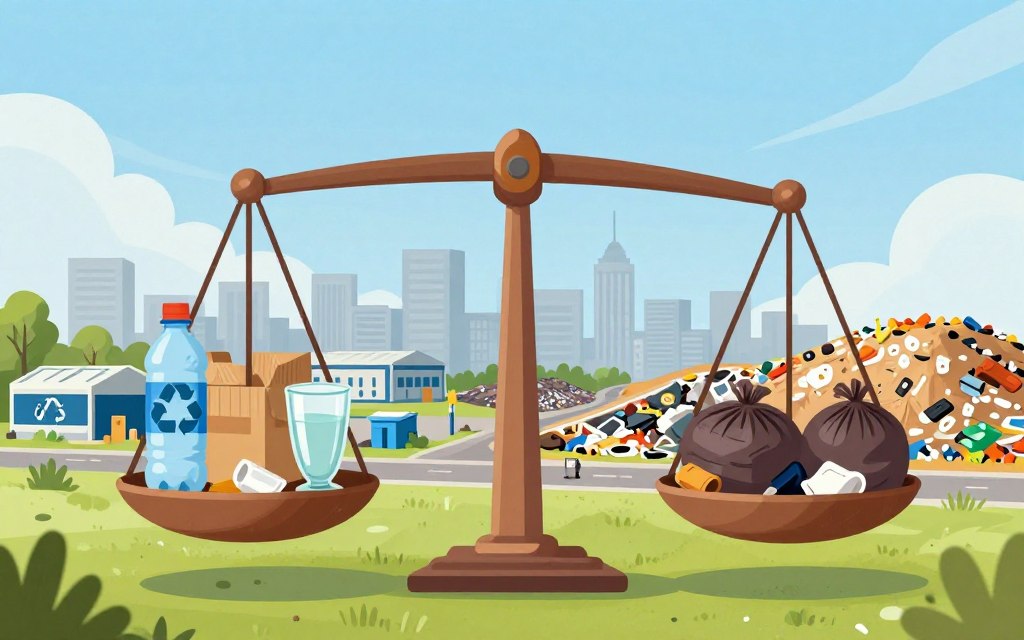
What Happens to Your Recyclables After Collection
After you place recyclables in the curbside cart, they begin a journey that turns them into new products. Learning what happens after recycling collection can show why proper recycling matters. The MRF sorting process helps explain where materials go next.
Sorting and Processing at MRFs
Once collected, recyclables travel to a Materials Recovery Facility (MRF). Here is a step-by-step overview of how workers sort and process them:
- Tipping Floor Inspection: Trucks unload materials onto a tipping floor where workers conduct an initial inspection.
- Conveyor Movement: Materials are then moved onto conveyor belts for further processing.
- Mechanical Separation: Machines separate items based on size and weight.
- Optical Identification: Advanced technology identifies different materials, ensuring accurate sorting.
- Magnetic Separation: Magnets remove ferrous metals like steel.
- Air Classification: Lighter materials, such as paper, are separated from heavier items.
- Manual Quality Checks: Workers inspect the sorted materials to ensure quality.
- Baling: Finally, sorted materials are compressed into bales for shipment.
Not every item completes this process. Workers may remove items that fail quality specifications as residue. Sorting alone does not finish recycling; a buyer and manufacturer must be ready to use the sorted materials.
The Journey of Different Materials
Each type of recyclable material follows a different path. The recycling material journey differs for recycled paper, recycled plastic, recycled aluminum, and glass.
- Recycled Paper: Clean paper and cardboard are pulped and transformed into new paper products.
- Recycled Plastic: Plastics are sorted by resin type and color, then processed into flakes or pellets for manufacturing. However, not all plastics have reliable end markets.
- Recycled Aluminum: Aluminum cans can be melted down and reformed into new products, making it one of the most efficient recycling processes.
- Glass: Glass is crushed and processed into cullet, which can be reused in new glass products.
Careful sorting at home helps these materials reach the right markets. Place only clean, suitable materials in recycling bins. This increases their chance of supporting a sustainable future.
How the United States Manages Landfill Waste
Waste management in America relies heavily on landfills, which receive many materials as their final destination. Studying U.S. landfills helps explain waste disposal’s complex operations and impacts.
Landfills are engineered facilities, not simple dumps, built to handle municipal solid waste. Federal and state rules require liners, leachate collection systems, and groundwater monitoring. These safeguards reduce environmental risks from waste disposal.
Largest Landfills in the US
Landfill size can be measured by permitted capacity, annual intake, or acreage. The largest landfills in the United States include the facilities listed below:
| Landfill Name | Location | Capacity (tons) | Year Opened |
|---|---|---|---|
| DeKalb County Landfill | Georgia | 12 million | 1975 |
| Puente Hills Landfill | California | 130 million | 1983 |
| Fresh Kills Landfill | New York | 150 million | 1948 |
These large facilities must follow detailed closure plans and post-closure care rules. Their operations can strongly affect nearby communities and the environment.
Environmental Impact of Landfilled Materials
The landfill environmental impact has several parts. Landfill methane forms when organic waste breaks down without oxygen. If unmanaged, this greenhouse gas can add to climate change.
Leachate management helps keep contaminants out of groundwater. Landfills also require land, which can cause habitat loss. Truck traffic adds air pollution and noise, increasing the total environmental cost.
Modern engineered landfills control many risks, but they cannot remove every environmental concern. Organic waste, recyclable commodities, hazardous materials, and construction debris need different management rules.
When technically and economically feasible, keeping recyclables out of landfills is best. Residual waste still needs proper engineering, showing why waste management in America matters.
Steps You Can Take to Keep Recycling Out of Landfills
Recycling helps reduce landfill waste. Learn how to recycle correctly so more materials get processed instead of sent to landfills. These steps show how to follow recycling bin rules and keep materials out of landfills.
Start by learning your local recycling guidelines. Each city or county has recycling bin rules for accepted and banned materials. Check your local government’s website or contact your waste hauler for updates.
Many communities offer bin labels and search tools for accepted materials. The recycling symbol shows a material type, but it does not promise local acceptance. Check rules for plastic film, glass, cartons, takeout containers, batteries, electronics, textiles, and hazardous household products.
Understanding Local Recycling Guidelines
Local recycling guidelines help you decide what to recycle. Visit your city or county’s official website for current accepted-material information. Read bin labels and use online search tools when you are unsure about an item.
These steps lower contamination and improve recycling rates.
Proper Sorting and Cleaning Practices
Good sorting and clean recycling practices help materials get processed. Make sure recyclables are empty, clean, and dry before placing them in the bin. This helps prevent contamination that can ruin a full load.
Place loose items in the cart, not bags, because bags can jam sorting machines. If local rules require it, flatten cardboard boxes to save space.
Separate materials as local guidelines instruct. Keep plastic bags, cords, hoses, and other tangling items out of curbside bins. They can disrupt the recycling process.
A quick rinse or scrape usually cleans containers; excessive water is not needed. Never place batteries, propane cylinders, chemicals, medical sharps, or other hazardous materials in recycling bins. Following these recycling sorting tips helps protect the environment.
When unsure, check local recycling guidelines. Wishful recycling can cause contamination and harm the recycling process. Proper sorting and clean recycling can help reduce landfill waste.
For more information on recycling processes, visit this resource or learn how to write an informative essay on recycling here.
The Future of Recycling in America
The future of recycling in America is changing through major policy and technology shifts. These changes address waste management challenges and support new solutions. Extended producer responsibility and recycling technology are among the leading developments.
EPR policies move some financial and operating duties for product packaging from municipalities and residents to producers. This change can bring several benefits:
- Stable Funding: EPR can provide consistent financial resources for recycling programs.
- Improved Package Design: Manufacturers are incentivized to create products that are easier to recycle.
- Clearer Labeling: EPR encourages better communication about recyclability to consumers.
- Stronger Collection Systems: EPR can enhance the infrastructure needed for effective recycling.
- Investment in End Markets: Producers are more likely to invest in markets for recycled materials.
EPR frameworks differ by state and product category. Some states have passed EPR laws, while others are considering proposals or voluntary initiatives. This range shows how EPR recycling can address local challenges across the country.
Technological Innovations in Recycling
New tools are changing recycling facilities. Advanced sorting technology, including artificial intelligence-assisted sorting and improved optical scanners, is making facilities more efficient. Robotic picking systems and digital tracking streamline work and help workers separate and process recyclables.
Research into chemical recycling and advanced materials identification is creating new ways to process materials once considered non-recyclable. Technology alone cannot solve recycling issues. Consumer participation, sound policy, and thoughtful product design are also essential.
The circular economy is central to these advances. It keeps materials useful as long as possible through reuse, repair, and composting. Recycling matters, but it is only one part of a wider plan to reduce environmental impact.
Conclusion
Understanding recycling and landfills helps communities manage waste well. Some recyclables reach landfills, but this result is not certain. Contamination, unaccepted materials, and limited processing capacity often cause this problem. Individuals practicing responsible recycling can greatly reduce the chance that recyclables are discarded.
Recycling follows local regulations, hauler contracts, and the abilities of materials recovery facilities (MRFs). Each community has rules that define what people can recycle. To keep recyclables out of landfills, follow local guidelines and keep materials clean and dry.
Important recycling facts include keeping plastic bags and hazardous items out of curbside bins. Reuse items or reduce waste whenever possible. Treat the recycling symbol as a starting point for responsible behavior, not a guarantee of proper processing.
Long-term recycling improvements need better product design, producer responsibility, and public investment in sustainable waste management. Informed participation is vital. Each person can reduce contamination and improve the chance that recyclable materials are successfully recovered rather than sent to landfills.